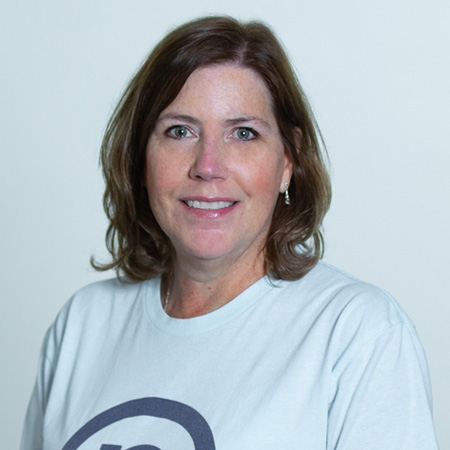
Every year, Nelnet associates contribute to United Way campaigns through charitable giving and volunteer service. Across the communities where associates live and work, those efforts help provide food for families, support children navigating difficult circumstances, offer grief support, strengthen educational opportunities, and connect people with resources they need to thrive.
But what happens after a donation is made or a volunteer signs up to help? The impact reaches much further than many people realize.
Through United Way partnerships and the generosity of donors and volunteers, nonprofit organizations provide critical services that make a meaningful difference in communities across the country. Local United Way organizations understand the needs of their communities and help connect resources with the people and programs that can make the greatest impact. From helping families put food on the table to ensuring vulnerable children have advocates and grieving families have access to support, United Way contributions and volunteer support help create lasting impact.
Supporting Organizations That Strengthen Communities
For many nonprofit organizations, community support doesn’t simply enhance their work—it helps make that work possible.
At CASA for Lancaster County in Lincoln, Nebraska, United Way funding helps provide stability for a program that advocates for children involved in the child welfare and juvenile court systems.
“The funding we receive from United Way provides stability to our program in very real ways,” says Dawn Rockey, Executive Director of CASA for Lancaster County. “The funding is not tied to any aspects of our program but is used to support operational expenses such as rent and utilities.”
Literally, United Way funds keep our doors open.

Executive Director of CASA for Lancaster County
That support helps ensure children involved in the court system have someone advocating for their best interests.
“The children we advocate for are in the child welfare/juvenile court system through no fault of their own,” Rockey says. “Without a CASA advocate, their voice would not be heard and their many needs may not be met.”
Community support also helps organizations provide services at no cost to those who need them most.
At Mourning Hope in Lincoln, Nebraska, United Way funding supports youth and family grief support programs that help children and families navigate the death of a loved one. Because Mourning Hope does not charge fees for its services, community funding plays a critical role in ensuring support remains accessible.
“The United Way offers a stable revenue stream that keeps our programs free and accessible to grieving children and families in our community,” says Lauren Silverman Durban, Communications and Outreach Director for Mourning Hope.
United Way partnerships also help connect organizations with one another to better serve families facing multiple challenges. According to Silberman Durban, families who need additional support following the loss of a primary caregiver can be connected with other United Way partner agencies for assistance with basic needs while they receive grief support.
Organizations like the Food Bank of Lincoln see similar benefits from community investment.
According to Jason Pauling, Director of Community Partnerships for the Food Bank of Lincoln, United Way funding recently helped support the organization’s largest mobile food distribution effort, which serves between 750 and 800 families each month.
“We wouldn’t be able to serve as many families without support from United Way and the community,” Pauling says.
Community support also helps organizations address a wide range of everyday challenges that can affect families and individuals.
At Sunshine Place in Sun Prairie, Wisconsin, community funding supports a resource hub that helps families access food, clothing, housing assistance, legal services, beds for children, school supplies, and other essential resources in one location. According to Susan Schmidt, Director of Development, the organization relies on donations, volunteers, and community partnerships to help families overcome barriers to stability.
“Support from community donors allows us to respond as needs change and ensure families can access the help they need when they need it most,” Schmidt says.
Schmidt says charitable contributions help stock pantry shelves, provide beds for children, support housing assistance efforts, supply clothing and school supplies, and sustain programs that respond to evolving community needs.
One recent example involved a parent navigating a difficult divorce who turned to Sunshine Place for support. The family received clothing, school supplies, and holiday gifts that helped provide a sense of normalcy during a challenging period. Schmidt says stories like these demonstrate that community support offers more than basic necessities — it offers hope.
In 2025 alone, Sunshine Place programs provided 142,571 service touchpoints for community members seeking support.
Together, these organizations illustrate how community support helps meet a wide range of community needs — from food security and grief support to child advocacy, health and wellness, education, and family stability.
Behind Every Dollar Is a Human Story
The impact of community support is often best measured not in dollars, but in lives changed.
Rockey recalls a young man who entered the child welfare system and struggled with mental health and behavioral challenges. Through the encouragement and support of his CASA volunteer, he stayed focused on school, graduated on time, earned a scholarship, and is now a college junior with a job and plans for the future.
At Mourning Hope, one mother whose daughter participated in grief support programs after the death of her father shared a message with staff after her daughter graduated from high school.
This day wouldn't be possible without you all. I hate to think how different our lives would be without support from all of you. She did it!
And at the Food Bank of Lincoln, Pauling remembers meeting a woman who had never expected to need food assistance. After her husband became unable to work due to cancer, the family exhausted its savings and faced difficult financial decisions. Receiving food provided immediate relief at a time when they needed it most. Behind every distribution, Pauling says, are hundreds of similar stories.
Giving Is Only Part of the Story
While financial support helps nonprofits expand programs and serve more people, many organizations rely on another important resource: volunteers. Giving back has long been part of Nelnet’s culture, and associates support their communities not only through workplace giving campaigns, but also by volunteering their time and talents with causes they care about.
At Nebraska AIDS Project, volunteer support helps further the organization’s mission of providing education, support, and resources to the community. For Nelnet Associate Account Manager Jensyn Clark, that mission is personal. She began volunteering because she believes it’s important to support both the services Nebraska AIDS Project provides and the safe, welcoming environment it creates for the LGBTQIA+ community.
“Sexual health education is important for everyone and the more we are informed, the better equipped we are to find cures, preventions, and treatments for diseases and infections,” Clark says.
According to Lacie Bolte, Lead Support Services Manager at Nebraska AIDS Project, funding received through Combined Health Agencies Drive (CHAD) and United Way campaigns helps support critical services in the Lincoln community, including a food pantry operated in partnership with the Food Bank of Lincoln that serves approximately 60 individuals each month.
Bolte says this flexible funding helps fill gaps not covered by federal programs, including HIV prevention efforts, free HIV testing, and access to PrEP, a medication that helps prevent HIV transmission.
One experience that has stayed with Clark came while participating in a Pride parade alongside Nebraska AIDS Project.
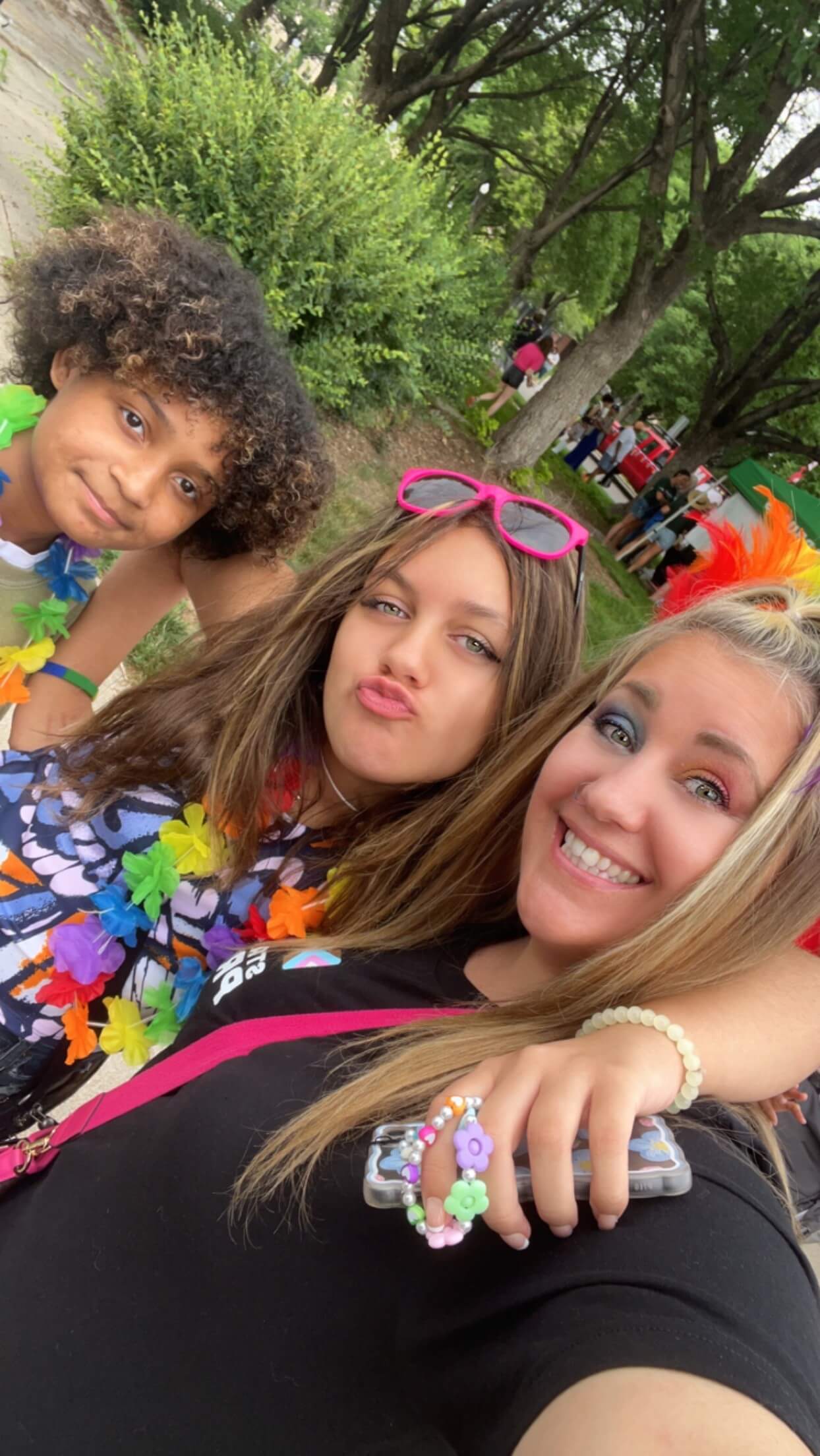
Clark said she appreciates seeing fellow associates support local nonprofits through both giving and volunteerism.
“I love to know that the people in my organization are supporting our community,” she says.
Organizations across the country echo the importance of volunteer support.
At Mourning Hope, volunteers are central to the organization’s ability to serve grieving children and families. Volunteer grief facilitators guide support groups, camp counselors help children navigate loss through Camp Erin, and other volunteers support programs and events throughout the year. In 2025 alone, more than 225 volunteers contributed more than 12,460 hours of service.
The Food Bank of Lincoln also depends heavily on volunteer support. During the organization’s most recent fiscal year, volunteers filled approximately 8,500 volunteer shifts — equivalent to more than $1 million in labor value and the work of 21 full-time employees.
Recently, a group of 23 Nelnet associates volunteered at the Food Bank of Lincoln, helping pack 360 commodity bags for seniors facing food insecurity and 270 USDA food boxes for distribution throughout southeast Nebraska.
“It’s a good reminder that small, consistent actions add up to real impact,” says Implementation Project Manager Jessica Reiner.
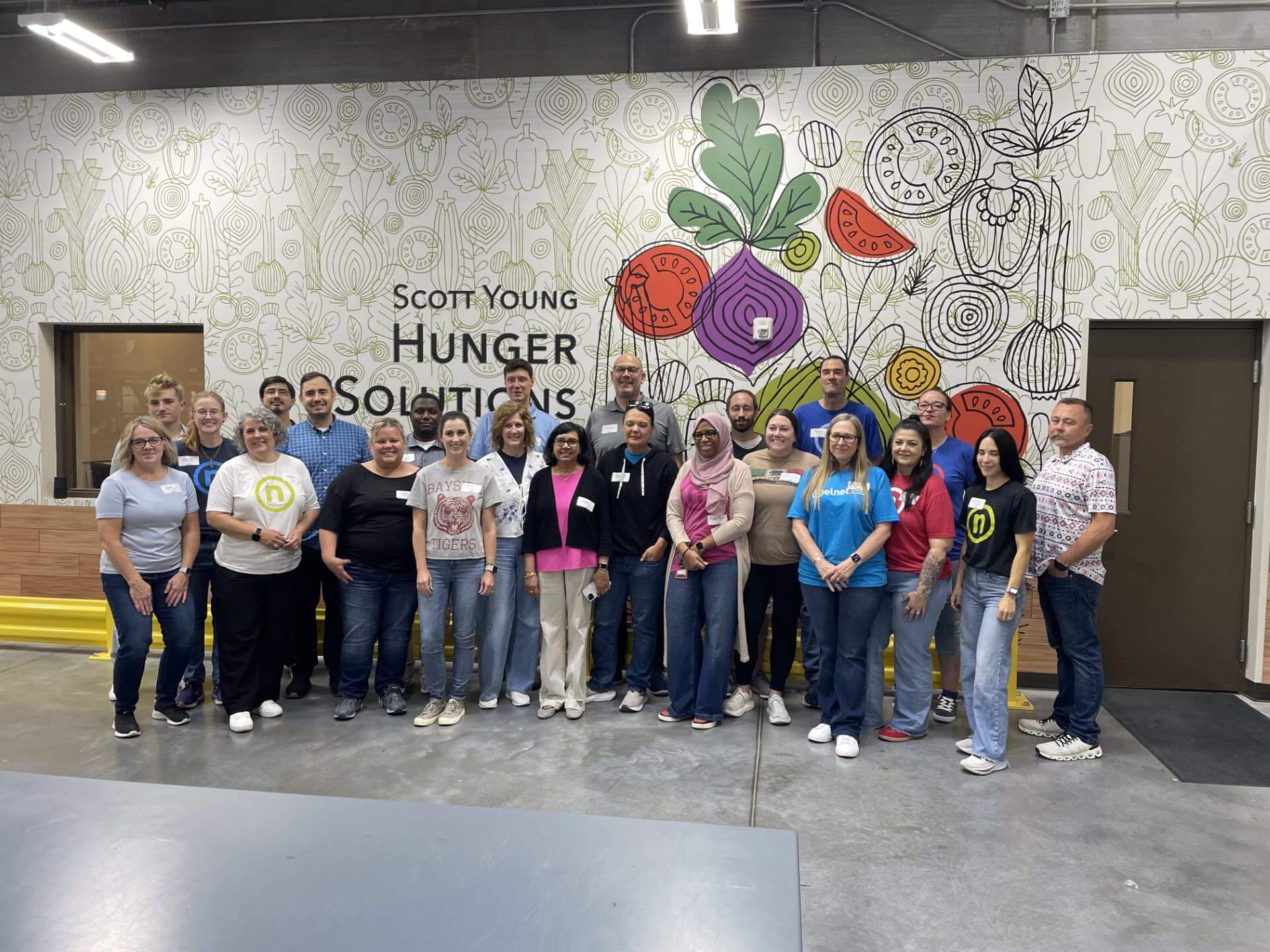
Learning how many families would benefit from just a few hours of volunteer service reinforced the value of giving back to the community, says Implementation Project Manager Neela Rekha.
“Volunteers are a huge blessing to the Food Bank,” said Pauling. “We can then use that money saved to buy food.”
Supporting Causes That Matter
Associates support nonprofits in many different ways, but their involvement often starts with a personal connection to a mission, cause, or community need.
For Claims Specialist Jennifer Vazquez, supporting organizations like Sunshine Place reflects both her commitment to her local community and her appreciation for the organizations that help families facing hardship. Vazquez nominated Sunshine Place through the Madison office’s quarterly spin-the-wheel charitable giving program because of the organization’s work supporting individuals and families in need.
“Supporting organizations close to home helps ensure everyone can feel included and supported here in Sun Prairie,” Vazquez says.
Her connection to the mission is personal. Growing up, Vazquez experienced poverty and food insecurity and remembers the difference community support hubs like this made for her family.
I remember how meaningful it was to receive school backpacks with notebooks and pencils, clothing, and food when we were facing scarcity. Our cabinets would be full thanks to these programs, and that sense of care and support stayed with me.

Claims Specialist, Nelnet Loan Servicing
She’s also had the opportunity to volunteer alongside fellow associates at The River Food Pantry in Madison, Wisconsin, helping prepare and distribute food for community members. The experience reinforced her belief in the importance of organizations that provide basic needs and create opportunities for people to thrive.
In Centennial, IT Team Lead Dena Boyd supports Denver Jewish Day School (DJDS) through United Way workplace giving. Boyd directs a portion of her charitable contributions to the school through payroll deductions, with additional support provided through a matching contribution from the Nelnet Foundation.
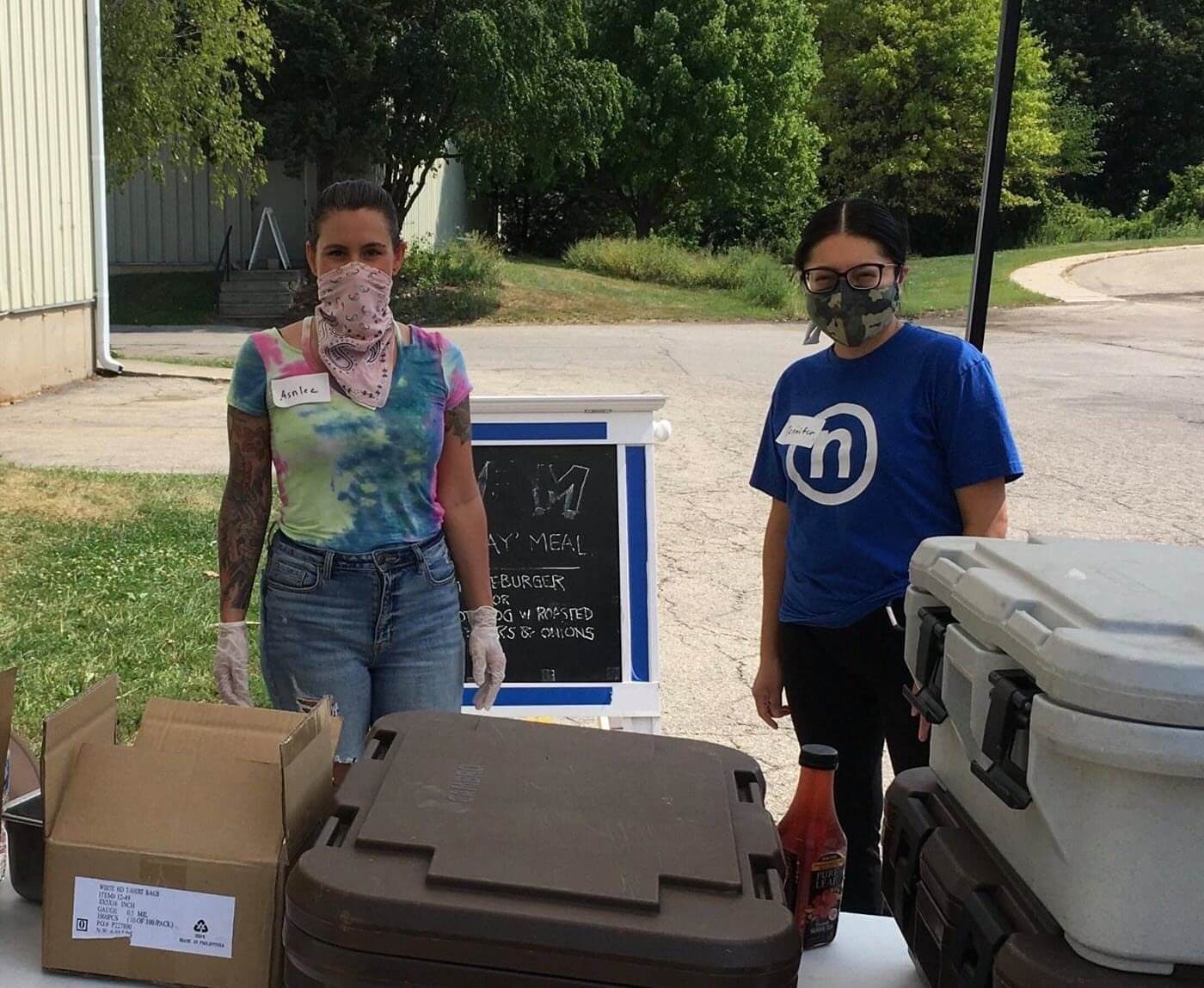
Her connection to the school is personal. Boyd says her son, Ian, found a welcoming community after transferring to DJDS in seventh grade.
“DJDS provides a psychologically safe environment that encourages students to explore their interests, develop leadership skills, serve others, and confidently embrace their identity,” Boyd says. “I’ve watched DJDS’s mission come to life in Ian as he develops a stronger sense of purpose, confidence, and connection to his community.”
For organizations like DJDS, workplace giving programs help remove barriers to charitable giving while making recurring donations easier for supporters and more predictable for nonprofits.
“The biggest benefit to us is that it’s easier for the donor to make a gift from their paycheck, which we could not facilitate otherwise,” says DJDS Director of Development Samantha Walsh. “We get one quarterly check, and we know how much to expect.”
As a small nonprofit, she says, support from donors at every level helps the school fulfill its mission of preparing Jewish students to live purposefully, act ethically, and thrive in the world.
For Document Services Analyst Michael Whalen, supporting local nonprofits also comes down to helping people build brighter futures. In Madison, he has championed organizations like Operation Fresh Start, which helps young adults earn GEDs, gain job skills, and connect with community resources. Whalen sees the organization’s work as an investment in self-sufficiency and opportunity.
“Through education, mentoring, and employment training this organization is top notch,” Whalen says. “I believe it is a model that should be copied throughout the country.”
Organizations like Operation Fresh Start help create pathways to success for young adults who may not thrive in traditional educational settings.
While he supports Operation Fresh Start, he mostly volunteers with Sleep in Heavenly Peace, building beds with his kids on weekends. To him, it’s about the values he holds — and can share with his family. Whalen believes communities are strongest when people support one another.
“Self-sufficiency is tough in today’s world of me, me, me,” he says. “I believe it should be us, us.”
Creating Impact Together
The stories shared by partner agencies and associates illustrate that community impact takes many forms. Sometimes it looks like a payroll deduction that helps keep services available. Sometimes it’s a volunteer packing food boxes, advocating for a child, supporting a grieving family, or participating in a community event. And sometimes it starts with choosing to support a cause that matters.
What connects each of these efforts is a shared commitment to strengthening communities and helping people thrive.
Many organizations continue to face growing needs and welcome additional support from community members who want to get involved. CASA, for example, currently has 30 children waiting to be matched with a volunteer advocate and says there is an ongoing need for additional volunteers.
Whether through volunteering, donating, participating in a workplace giving campaign, or simply learning more about local causes, associates have opportunities to make a difference in the communities they call home. Together, those individual efforts create impact that extends far beyond a single gift or volunteer shift — and helps build stronger, healthier communities for everyone.